



- 01
Love, Laughter, and Loud Music: David Dhawan Just Brought Rom-Coms Back
Love, Laughter, and Loud Music: David Dhawan Just Brought Rom-Coms Back
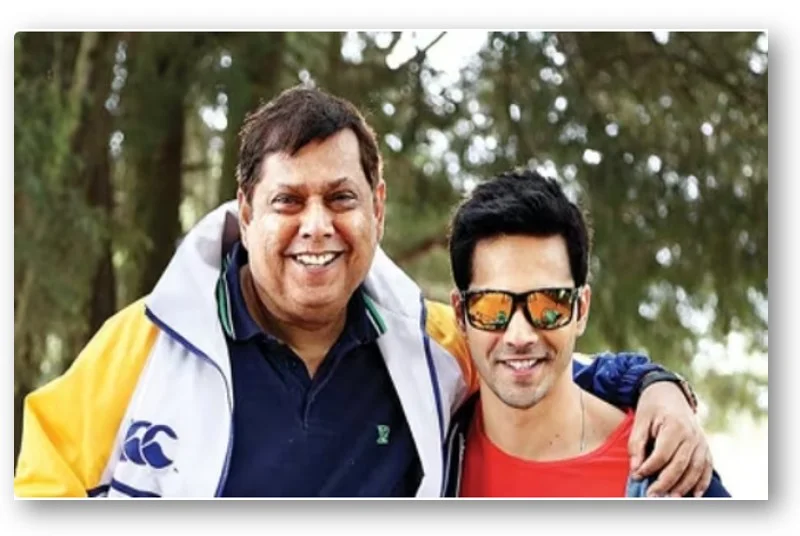
For years, Bollywood romances have been heavy, be it trauma-heavy, backstory-heavy, or emotionally exhausting, but David Dhawan drops a genre that seems like Bollywood had forgotten until his title, like “Hai Jawaani Toh Ishq Hona Hai,” and suddenly the room feels lighter.
Especially in an era where romances often feel like therapy sessions, this feels playful, confident, and unapologetically old-school in spirit. Not because it is dates, but because it reminds us of something that Bollywood has forgotten, which is the fact that sometimes love stories are meant to feel good.
This isn’t just a film title; rather, it’s a reminder that love can be silly, comedy can be carefree, and youth can exist without explaining itself, and emotional homework requires just simple vibes. So when a director drops a title like Hai Jawaani Toh Ishq Hona Hai, it doesn’t sound like a film announcement rather it sounds like permission. Permission to laugh without guilt.To fall in love without trauma. To be young without being “complex.”
This isn’t a comeback announcement. It’s a mood reset, a reminder that joy can lead the story, not follow it. And suddenly, rom-coms don’t feel outdated. They feel necessary.
Read also:
- The Family Man Returs, And This Time, The Stakes Hit Home
- Ramayana Goes Global: 3D Teaser to Debut with Avatar
The title says everything
Let’s talk about the title, because it does most of the talking already. Hai Jawaani Toh Ishq Hona Hai is not subtle, restrained, or ironic, and that is exactly why it works. The title sounds like something you would hear during a high-energy Govinda dance number, shouted across a college campus, or sung in a breezy montage where romance sneaks up on the characters.
It instantly places the film in a world where romance is expressive, unfiltered, and proudly unserious. More importantly, it recalls a time when Bollywood did not feel the need to intellectualise love. This naturally leads to a larger industry-wide question: when did Bollywood start becoming uncomfortable with being lighthearted about love?
More than anything, it recalls an era when films trusted romance to be joyful without explanation. The title does not apologise for its tone, and that confidence invites reflection. When exactly did Bollywood start fearing that being unserious about love might make a film feel less important? The title feels like a conscious throwback to a time when Bollywood did not overanalyse romance but celebrated it with confidence and colour
David Dhawan knows what fun feels like
Say what you want about David Dhawan, but very few filmmakers understand mass joy the way he does. He has never made films for think pieces, film festival panels, or intellectual gatekeeping. He makes them for audiences who want to laugh on a first date, spend a relaxed weekend with family, or rewatch familiar scenes on television years later. With this announcement, it feels as though Dhawan is pushing back against an era dominated by brooding heroes and emotional heaviness.
Whether it is a first date or a casual family watch, his cinema prioritises accessibility over seriousness. This announcement feels like Dhawan gently but firmly rejecting the dominance of brooding heroes and sombre love stories. This announcement carries the feeling of a filmmaker pushing back against excessive seriousness and emotional gloom. It suggests a desire to bring back heroes who enjoy life and romances that do not require suffering.
If I am being honest, this announcement feels like a clear statement against the dominance of gloomy protagonists and emotionally dense storytelling. By choosing joy over introspection, Dhawan seems to be asking Bollywood a simple question: when did smiling become something to apologise for? And sometimes, letting people smile is the point, and Bollywood may have needed that reminder more than it realises.
What makes rom-coms feel radical right now?
There is an unexpected irony at play in today’s Hindi film landscape, where romantic comedies now feel almost counter-cultural. The current cinematic climate favours large-scale action films, intense psychological narratives, and characters shaped by moral ambiguity. Against this backdrop, a film about young people navigating love, making mistakes, and laughing through them feels almost radical.
The genre’s simplicity stands in contrast to an industry obsessed with intensity. This naturally leads to a question worth asking: has Bollywood confused seriousness with substance? Because sometimes, the most meaningful stories are the ones that allow themselves to be joyful. This shift invites reflection on a larger trend: has Bollywood started equating seriousness with importance? Because there are moments when joy, rather than darkness, carries the deeper truth.
Having said that, here is the strange truth about Bollywood right now: romantic comedies feel almost rebellious. In an era dominated by pan-India action spectacles, increasingly dark psychological thrillers, and heroes defined by moral greyness, a film about young people falling in love and messing it up feels like a refusal to follow the trend. Romance that prioritises fun over intensity stands out precisely because it does not try to be “important.”
The Dhawan formula of music, madness, and misunderstanding
If David Dhawan’s past work tells us anything, this film will not arrive quietly. It will most likely come loaded with chartbuster music, chaotic friend groups, and misunderstandings that spiral wildly out of proportion before anyone stops to breathe. The humour will come from rhythm and timing, not emotional damage or forced seriousness. That approach may sound familiar, but familiarity is not the problem. When handled with belief, this formula still delivers.
The comedy comes from pace, physicality, and perfectly mistimed reactions rather than emotional trauma. That kind of humour does not age out; it simply requires confidence in its own tone. Rom-coms do not need to be rebuilt from scratch to feel relevant. If history is any indication, this film will lean fully into the chaos. There will be music designed to dominate playlists, friendships that function like controlled explosions, and misunderstandings so absurd they take on a life of their own.
They need filmmakers willing to back their own instincts. This announcement feels like a confident return to that mindset.
Youth, romance, and escapism
Let’s talk about the audience this film is clearly speaking to. Today’s young viewers are stressed, chronically online, and constantly absorbing the world’s chaos in real time. Sometimes, it needs to offer relief. Hai Jawaani Toh Ishq Hona Hai appears to understand that youth cinema is not about moral conclusions but emotional recognition. It thrives on messy mistakes, fleeting crushes, late-night conversations, and friendships that make more sense emotionally than logically.
It lives in bad decisions, awkward crushes, late-night conversations, and friendships that are louder than reason. That is not shallow storytelling; it is honest in its own way. This is why the announcement matters beyond its surface appeal. It signals a possible industry shift toward lighter scripts, renewed confidence among writers to pitch rom-coms, and an audience willing to choose joy over constant spectacle. If it works, romantic comedies may return not as a trend, but as a quiet correction to years of emotional heaviness.
Love stories never left; we just stopped making them fun
David Dhawan announcing Hai Jawaani Toh Ishq Hona Hai feels like someone reopening a window in a room that’s been serious for too long. Romance didn’t disappear. Laughter didn’t die. Audiences didn’t change. The industry just forgot that sometimes: Falling in love is entertainment enough. And maybe—just maybe—the rom-com era isn’t returning. It was just waiting for the right director to say: “Relax. Ishq hona hi chahiye.”

I craft sharp reels, video reviews,technology updates, latest developments and trend analyses,known for deep research, clear insights, and compelling sforytelling across the latest in film and pop culture.