

- 01
Inside Mikey Madison’s Anora Beauty Transformation: Hair, Makeup & Character Secrets | Allure Interview Breakdown
Inside Mikey Madison’s Anora Beauty Transformation: Hair, Makeup & Character Secrets | Allure Interview Breakdown
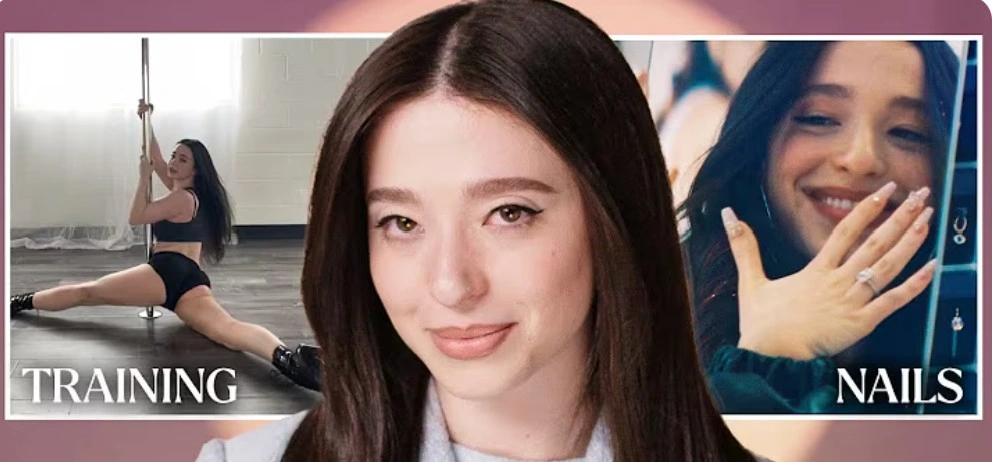
How does an actor completely transform into a character—down to every strand of hair, smudge of makeup, and flick of a nail? In a revealing conversation with Allure, Oscar winner Mikey Madison breaks down her intense and deeply collaborative beauty transformation for Anora, the critically acclaimed film written and directed by Sean Baker.
From chemical hair treatments and glittering lashes to bruised legs and hyper-detailed acrylic nails, Madison reveals how beauty became more than aesthetics—it became performance, identity, and storytelling.
The Creative Process Behind Anora: Building a Character from Scratch
Before filming even began, Mikey Madison had nearly a full year to live inside the world of her character, Annie.
She didn’t just memorize lines—she designed a person.
Pinterest Boards & Character Development
Madison built extensive Pinterest mood boards to explore:
- Annie’s wardrobe
- Hair texture and styling
- Makeup tone and intensity
- Overall personality and emotional energy
This early visual exploration helped define Annie as someone bold, expressive, and constantly performing—even when she wasn’t on stage.
Dance Training: The Physical Transformation That Changed Everything
One of the most demanding parts of preparing for Anora was dance training—something Madison openly admits was completely new to her.
“I’m not a dancer… not even a little bit”
For five to six months, she trained intensely to embody the physicality of a stripper, developing:
- Strength and stamina
- Fluid, controlled movement
- A “dancer’s body” that influenced posture and confidence
But the transformation wasn’t just physical.
It reshaped how she understood sexuality and performance:
effortless movement often requires extreme discipline
Hair Transformation: From Frizz to Character Identity
Hair played a massive role in shaping Annie’s visual identity—and it came with real challenges.
Fighting Natural Texture for Consistency
Filming in New York meant unpredictable weather. During early tests in Los Angeles, humidity completely changed Madison’s straightened hair.
To maintain continuity, she underwent:
- Chemical straightening (Brazilian blowout-style treatment)
- Strict styling maintenance throughout filming
Hair Tinsel: A Subtle but Powerful Detail
A hairstylist added hair tinsel to reflect light during movement, giving Annie:
- Subtle shimmer under club lighting
- Added visual dimension to dark hair
- A handmade, “constructed” beauty aesthetic
It also quietly reinforced Annie’s character—someone who invests heavily in her appearance for performance and survival.
Makeup Design: Natural, Real, and Intentionally Imperfect
The makeup in Anora was carefully designed to feel self-applied and lived-in.
Signature Look Elements
- Soft eyeliner
- Slightly overlined 90s-inspired lips
- Clean, natural skin
- Minimal coverage to emphasize realism
Instead of traditional highlight, the team used a Fenty Beauty shimmer product as an all-over eye glow, creating a reflective, club-ready sheen.
The New Year Scene: Glitter as Emotional Storytelling
For a key New Year’s scene, Madison’s look was elevated with:
- Tiny star-shaped sparkles
- Individually placed glitter using eyelash glue
- A subtle, emotional shift in visual tone
This wasn’t just decoration—it reflected Annie’s emotional state and blurred boundaries between professional detachment and personal vulnerability.
Real-Life Research: Learning from Strip Club Culture
To ground the performance in authenticity, Madison:
- Visited strip clubs
- Observed dancers’ etiquette and behavior
- Spoke with performers about their experiences
One quote she heard stood out:
“I’m just trying to decide if this is a dumb bitch day or a smart bitch day.”
That raw humor and honesty became part of Annie’s voice and personality.
Nails, Tattoos & Physical Detail Work
Every detail of Annie’s appearance was intentional—and often physically demanding.
Acrylic Nails as Character Tools
Madison chose:
- Long, squared acrylic nails
- Decorative butterfly designs
- Bold, expressive styling
These nails weren’t just aesthetic—they influenced how she moved, gestured, and interacted with others.
Tattoos & Feminine Symbolism
Temporary tattoos, including small bow designs on the legs, were inspired by real dancers. They:
- Highlighted movement during dance
- Added feminine contrast with an edge
- Reinforced Annie’s performative identity
On-Set Injuries, Bruises & Realism
Filming was physically intense.
Madison frequently dealt with:
- Bruised legs (covered daily with tattoo-cover makeup kits)
- Nail breaks during fight scenes
- Physical strain from choreography and stunts
In one moment, a broken nail required on-set “medical glue,” with co-star assistance to keep filming going.
Despite the pain, continuity and realism remained the priority.
How Beauty Choices Shape Performance
One of the most important insights from Madison’s interview is how deeply beauty affects acting performance.
Hair, nails, makeup, and costume weren’t accessories—they were tools that shaped:
- Movement
- Voice
- Confidence
- Emotional expression
Even subtle changes in appearance altered how she embodied Annie in every scene.
Conclusion
Mikey Madison’s transformation in Anora proves that cinematic beauty is far more than surface-level styling. It’s a layered collaboration between actor, director, and creative team—where every detail tells part of the story.
Through physical training, immersive research, and bold aesthetic choices, Mikey Madison didn’t just play Annie—she built her from the ground up.
And as she reflects, the experience has permanently changed how she approaches acting: not just as performance, but as total transformation through craft, body, and beauty.
I craft sharp reels, video reviews,technology updates, latest developments and trend analyses,known for deep research, clear insights, and compelling sforytelling across the latest in film and pop culture.