

- 01
Youtuber KK Create: The Raw, Unfiltered, India That No Influencer Dares to Show
Youtuber KK Create: The Raw, Unfiltered, India That No Influencer Dares to Show
A Creator Who Walks Into India’s Stories Instead of Talking Over Them
Most creators show you what’s trending.
Kavya Karnatac shows you what’s disappearing.
Her channel KK Create, with 4.11 million subscribers, has become one of India’s most gripping cultural storytelling spaces. She doesn’t shout over her content, she doesn’t add dramatic B-roll, and she doesn’t place herself at the center. Instead, she walks into India’s hidden corners, turns on her phone, listens, observes, absorbs, and lets the story breathe.
Her Shorts feel like stepping into India’s unlit rooms, the places no travel vlogger touches — refugee camps, abandoned railway towns, border villages, and mohallas whose histories are fading faster than the paint on their doors.
Last Published: The Visionary Whose Helping Hands Bring Tears to Millions
Some creators chase beauty.
Kavya chases truth.
That’s why she isn’t just watched, she’s trusted.
The Short That Built Her Identity: “The Reality of India’s Cyber City”
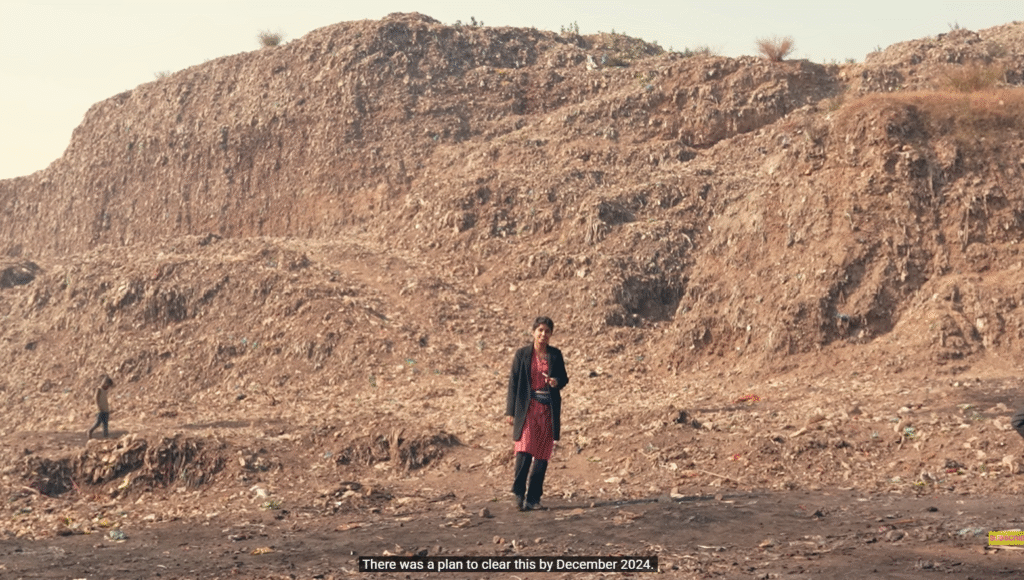
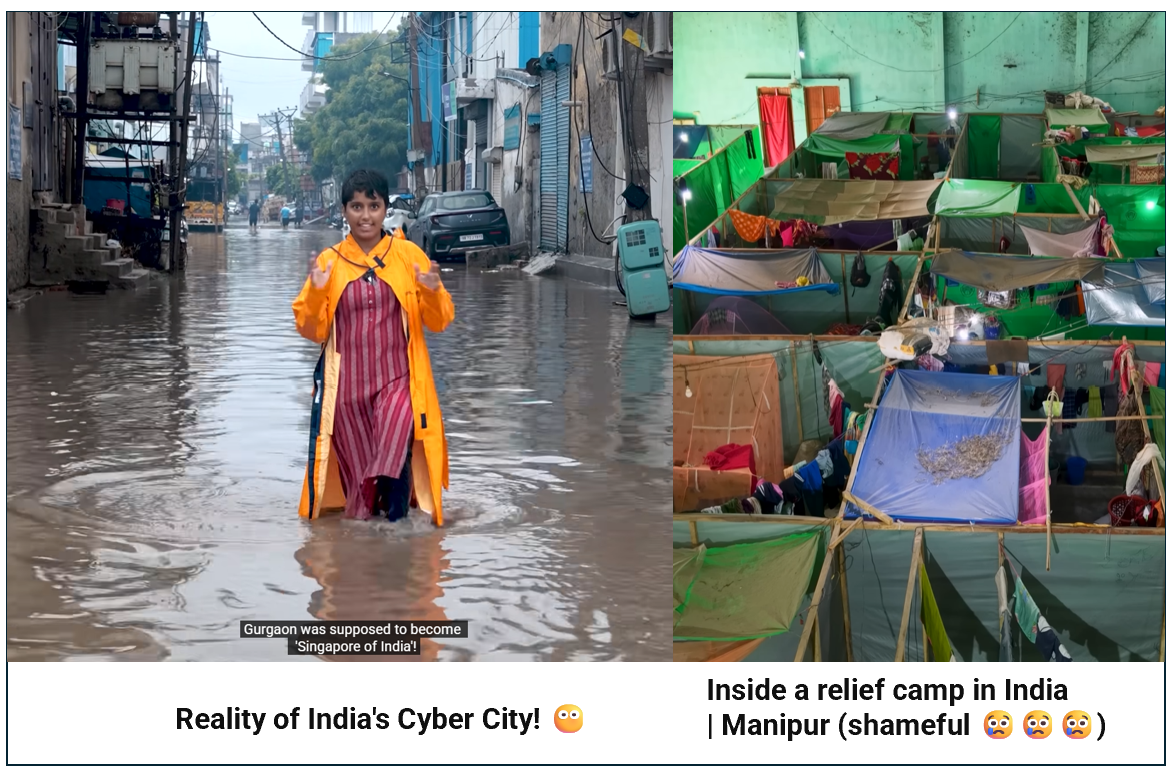
Among her most viewed pieces is a haunting walk through Bengaluru’s forgotten labour settlements, titled “Reality of India’s Cyber City”.
Watch the short here: https://www.youtube.com/shorts/
The caption she chose was simple, but heavy:
“Where glass towers rise, some homes still don’t have water.”
The video shows her stepping into narrow alleys hidden behind corporate glass. Children run barefoot through muddy paths. Elderly workers rest outside tin-roof shacks. The contrast hits like a slap. The short went viral because people weren’t expecting someone to show the city’s underbelly with such calm honesty. Kavya didn’t shame, exaggerate, or dramatize. She revealed.
Inside a Relief Camp in Manipur: A Video That Made Millions Quiet
Another one of her most impactful Shorts is “Inside a relief camp in India | Manipur (shameful)”
Link: https://www.youtube.com/shorts/
The caption read:
“They lost homes, not hope.”
The video shows Kavya inside a temporary shelter, listening to displaced families describe nights filled with fear and days filled with waiting. The clip went viral because she didn’t sensationalize pain. She stood inside it with respect. Viewers across India shared it with the same line: “Why is no one showing this except her?”
It was journalism without a studio, empathy without a script.
The Most Attacked India–Pakistan Village: A Border Story Few Ever Tell
Her third most viewed short, “Most attacked India-Pakistan village”, took viewers to a border area repeatedly hit by crossfire.
Link: https://www.youtube.com/shorts/
The caption was blunt:
“A village that sleeps with fear as a neighbour.”
Surrounded by sandbags and broken walls, Kavya stood in a place most creators would never dare to film. She spoke softly, almost whispering, because the silence felt sacred. The residents’ voices cracked as they talked about lost family members. This Short wasn’t viral because it was dramatic. It was viral because it was real.
“Potato Is Not Indian?”, A Cultural Shock Packed in One Short
Her most unexpectedly viral short was a tiny cultural bomb titled “Potato is not Indian?”
Link: https://www.youtube.com/shorts/
With the caption,
“The foods we love aren’t always ours.”
Kavya used a simple potato to explain colonisation, trade routes, and how food travels more than people think. People were fascinated. They tagged friends saying, “Bro, WHAT?!” It was proof that Kavya can make even vegetables feel intellectual.
How Do Indians Say “Hello”: A Short That Became a Celebration
Finally, one of her most wholesome Shorts is “How do Indians say ‘Hello’?”
Link: https://www.youtube.com/shorts/
The caption carried the charm of diversity:
“28 states. Hundreds of greetings. One country.”
The Short stitched together greetings from different communities, adaab, namaskara, vanakkam, kem cho, julley, each spoken by locals in their own accents, with pride. It wasn’t just a Reel. It was a love letter to India’s plurality.
Who Is Kavya Karnatac? The Woman Behind KK Create
Kavya was born and raised in Karnataka, and her connection to culture comes from her childhood spent between cities and villages. Her age is estimated to be in her mid-20s, and she completed her education in mass communication. However, she often jokes that most of her real learning happened while travelling on buses through remote regions.
Her family is supportive but initially worried, especially when she travels to conflict zones or politically tense areas. Kavya once mentioned that her parents used to call her every hour on early shoots, afraid she might be filming somewhere unsafe. Over time, they came to understand that this wasn’t “content creation” for her; this was purpose. Today, her family appears occasionally in her behind-the-scenes stories, laughing, cooking, asking her to “stay safe, please,” and celebrating every milestone.
Why Kavya’s Audience Keeps Coming Back
People follow her not to escape reality but to understand it. Her tone is steady, her presence quiet, and her storytelling intimate. She doesn’t preach. She doesn’t scream. She doesn’t dramatize. She observes. And that restraint is rare.
Her Shorts stand out because they don’t try to go viral; they try to be meaningful. And meaning travels.
The Last Word
Kavya Karnatac isn’t documenting India for views. She’s documenting it for memory. She is creating an archive of forgotten voices, unseen alleys, untold stories, and uncelebrated communities. And in a world obsessed with trends, her commitment to truth feels revolutionary. KK Create is not just a channel; it is an emotional atlas of India.
I craft sharp reels, video reviews,technology updates, latest developments and trend analyses,known for deep research, clear insights, and compelling sforytelling across the latest in film and pop culture.