


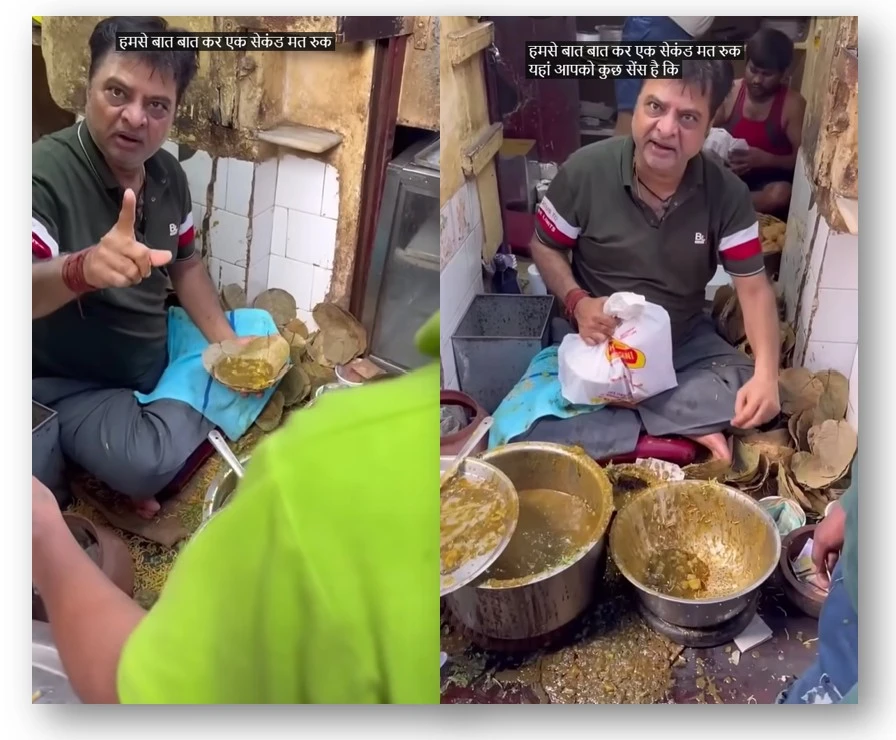
- 01
Meet YouTuber Amu Sabbir, How His Recent Short Reached 113 Million Views
Meet YouTuber Amu Sabbir, How His Recent Short Reached 113 Million Views
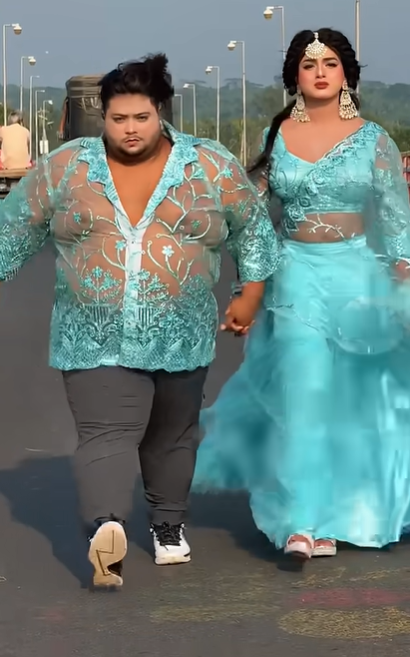
The Short That Took Over Everyone’s Feed Overnight
Some Shorts go viral.
Some Shorts trend.
But once in a blue moon, a Short slips through the cracks of the algorithm and becomes something bigger, something that hijacks TikTok edits, WhatsApp forwards, Facebook auntie groups, and Gen Z meme pages all at once.
That’s exactly what happened when Amu Sabbir, better known online as Emu Sabbir, dropped the 10-second emotional grenade that is now sitting at over 113 million views. His clip isn’t glamorous, doesn’t have aesthetic lighting, and doesn’t borrow from trends. Instead, it thrives on what the internet is secretly starved for: raw emotion.
The Short opens with a kid, tiny, shy, and visibly overwhelmed, receiving something simple yet life-changing. The caption?
“Brothers are not by blood… they are by heart.”
And Amu’s voice, soft but steady, follows with a line that has become iconic:
“Dua lag jaati hai, bhai.”
(Blessings hit harder, brother.)
The video doesn’t scream. It whispers. And the world heard it.
Read also: A YouTube Short That Received 138M Views.
Why Amu Sabbir’s Short Hit 113 Million Views Without a Single Trend
Most creators chase virality; Amu walked right into it without trying. His Short works because it pierces through the noise and lands straight in the softest part of the viewer’s chest. His tone is gentle, his expressions are sincere, and his framing feels more documentary than content.
There’s a moment in the clip where the boy looks up at Amu, almost confused by the kindness. That two-second glance is the emotional core of the whole video. It’s the kind of expression you can’t fake and the kind of vulnerability the internet rarely sees unless someone is exploiting it. But Amu doesn’t exploit. He uplifts.
Comments under the Short read like confessions:
“Why am I crying at 2 am?”
“This is humanity. Nothing else.”
“I wish someonehad helped me like this when I was young.”
When you get comments like that, you know you’re creating something bigger than content, you’re creating a moment.
Who Is Amu Sabbir? The Boy From Bangladesh With a Camera and a Mission
Amu Sabbir didn’t pop out of nowhere. He’s one of Bangladesh’s most rapidly growing creators, now sitting at 3.02 million subscribers, and rising faster than most mainstream influencers. He’s believed to be in his early twenties, originally from Dhaka, and started making Shorts with borrowed equipment and a borrowed dream.
Before YouTube, he wasn’t a filmmaker. He wasn’t even trying to be one. He was simply a young man who kept encountering poverty, resilience, and raw human stories everywhere he went. The camera arrived later, but the empathy was always there.
His niche is one of the hardest to survive in:
helping strangers, changing lives, filming humanity without exploiting it.
Most creators in this category fall into melodrama or manipulation.
But Amu?
He moves differently.
He’s gentle. He’s patient. He listens. He offers help without theatrics.
He’s the kind of creator people trust within seconds.
Why Amu’s Content Feels So Different From Other “Helping” Creators
There’s a tenderness to his videos that sets him apart. He doesn’t shove the camera into someone’s face. He doesn’t bark directions. He doesn’t dramatise pain. He lets things happen the way they naturally would.
In the viral 113M-view clip, the camera shakes a little, as if held by someone who’s emotionally present instead of technically focused. The background noise includes street chatter, not edited-out ambience. The moment unfolds slowly, organically, without pressure.
It feels less like content and more like a memory someone accidentally recorded.
That authenticity is rare.
And the internet rewards are rare.
The Caption That Became a Movement
One part of the Short that viewers keep quoting is a small emotional line Amu added at the bottom of the screen:
“Insaaniyat mat chhodo… duniya waise hi bohot chhod rahi hai.”
(Don’t abandon humanity… the world already is.)
That line has been screenshot, reposted, TikTok-ed, reel-remixed, and turned into wallpaper quotes. It’s the kind of caption that stays in your mind longer than the video itself.
When a creator has a caption go viral separately from the content, you know they’ve unlocked something bigger: sentiment that feels personal.
How Amu Sabbir Turned Emotional Storytelling Into a Global Audience
Amu’s audience isn’t just Bangladeshi.
He trends in India, Pakistan, Nepal, the UAE, Indonesia, and anywhere people recognize kindness when they see it. The universality of his content makes him borderless.
He doesn’t need language.
He doesn’t need fancy edits.
He doesn’t need shock value.
He just needs a moment of humanity, because those moments travel.
A Viral Short With a Heartbeat
Amu Sabbir’s 113-million-view Short didn’t break the internet with comedy, controversy, or clickbait. It broke the internet with compassion. In a digital world that thrives on chaos, Amu became the calm. In a culture that rewards noise, he became the whisper.
He didn’t crack the algorithm.
He cracked open people’s hearts.
And honestly?
That’s the only kind of virality that lasts.
credit video:
I craft sharp reels, video reviews,technology updates, latest developments and trend analyses,known for deep research, clear insights, and compelling sforytelling across the latest in film and pop culture.