


- 01
Inside India’s Most Congested Slum, Dharavi ft. Medha, Jist’s Grittiest Episode Yet
Inside India’s Most Congested Slum, Dharavi ft. Medha, Jist’s Grittiest Episode Yet
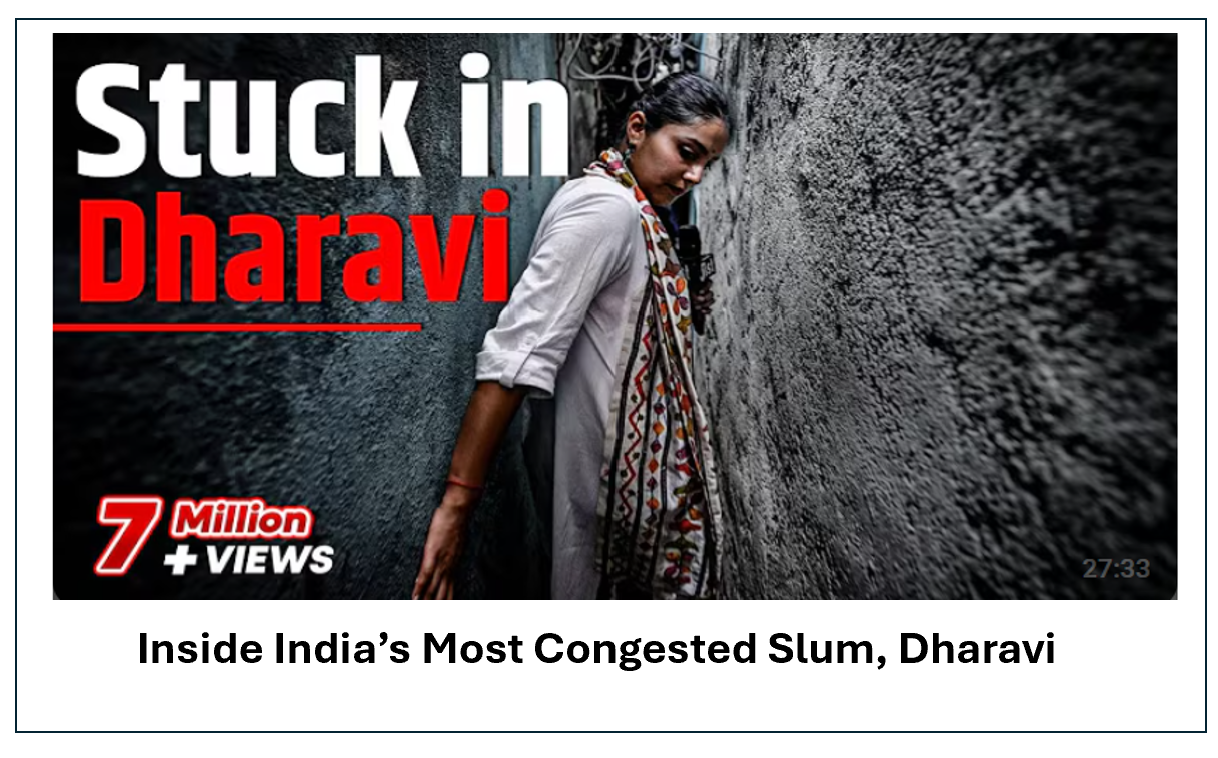
The YouTube Video That Doesn’t Just Inform, It Hits You in the Gut
Every once in a while, the internet stops doom-scrolling and stares at something real. Not glossy, not aesthetic, not influencer-polished, but raw, human, and undeniably important. Jist’s latest documentary-style episode, “Inside India’s Most Congested Slum, Dharavi ft. Medha,” is exactly that kind of moment.
With 2.51 million subscribers, Jist isn’t just another commentary channel anymore. It has slowly turned into India’s unofficial explainer desk, filling the gaps that mainstream news avoids, softens, or speed-runs. But this episode? This is easily one of their most grounded pieces yet.
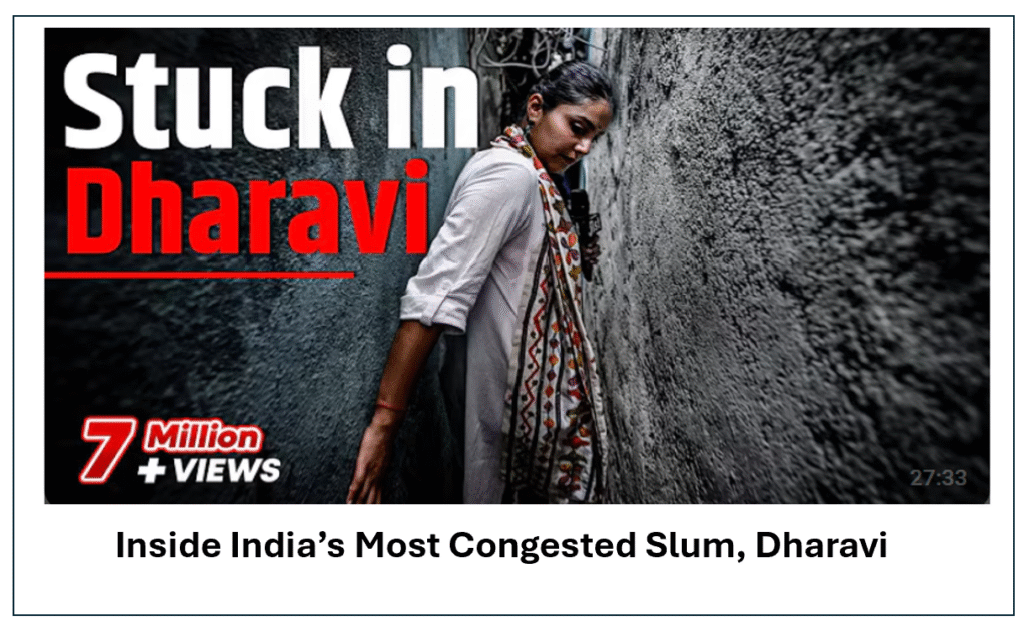
Because Dharavi is not just a place. It’s a world.
A world most of India has heard of, judged, romanticised, or misunderstood, but never actually seen.
Read also: What Did YouTuber ‘Prank Buzz’ Do?”
The Opening Shot That Says Everything
The video begins in a narrow lane where the sunlight barely touches the ground. There’s movement everywhere: kids running, women balancing water cans, men pushing carts through spaces that don’t look big enough for a person to walk. It feels simultaneously claustrophobic and alive.
Medha stands in the frame, not as a host trying to dominate the narrative, but as a witness. She doesn’t dramatise, she doesn’t sensationalise, she doesn’t package poverty into content. Her expression, a mix of shock, humility, and curiosity, becomes the emotional anchor of the episode.
Within the first 30 seconds, you realise:
This is not Dharavi, the stereotype.
This is Dharavi, the reality.
Latest Published: What Happens in India’s Most Mysterious Villages?
Why This Video Feels Different From Every Dharavi Documentary We’ve Seen
Jist doesn’t walk in like an outsider holding a mic. They walk in like guests. Respectful. Observant. Human.
The camera catches sweat, noise, the cramped geometry of life. But it also catches pride, the way locals explain their recycling units, the way women talk about managing homes inside ten-by-ten rooms, the way children smile with the kind of confidence you don’t associate with difficult living conditions.
There’s a moment where Medha steps into a small leather workshop, and the camera lingers on hands, hands moving fast, hands cutting, stitching, polishing. Hands that support entire families. Hands that survive on work, people rarely acknowledge.
The unspoken message hits harder than any dialogue:
Dharavi is not “the slum.”
Dharavi is the system that keeps Mumbai running.
The Moment That Went Viral in the Comments
There’s a frame where Medha stands on a cramped rooftop, almost shoulder-to-shoulder with the walls on both sides. She says softly:
“Imagine living your entire life in this much space.”
It’s not pity.
It’s perspective.
That single line is already being clipped, shared, and quoted across platforms. Because it doesn’t guilt-trip, it awakens.
Viewers wrote:
“I knew Dharavi was crowded, but I didn’t know it was this intense.”
“This isn’t poverty porn. This is storytelling with dignity.”
“I’ve lived in Mumbai for 12 years and never understood how this city actually functions.”
It’s rare for a YouTube video to make people rethink an entire city, but this one does.
Who Is Medha? The Woman at the Heart of This Episode
Medha, one of Jist’s most compelling on-camera voices, brings a presence that feels grounded yet fearless. She’s not dramatising the setting; she’s navigating it. She’s in her twenties, a media researcher turned presenter, and her strength lies in her ability to blend curiosity with compassion.
She grew up middle-class, educated in urban comfort, and has admitted in multiple Q&A sessions that stepping into places like Dharavi shakes her worldview, but in a way that strengthens her storytelling instincts.
Her tone isn’t “look at them.”
It’s “look at what we never saw.”
And that’s what makes her the perfect narrator for Dharavi’s reality.
What Jist Achieves Here
This episode doesn’t try to “fix” Dharavi. It doesn’t present solutions. It doesn’t paint people as victims. It doesn’t romanticise co-existence or glorify struggle.
It presents truth.
The overcrowding.
The noise.
The labour.
The resilience.
The contradictions.
Jist shows Dharavi as a city inside a city, a place where life is compressed, but never paused. A place that the rest of India only remembers when it needs a political debate or a cinematic backdrop.
And finally, a place that deserves to be seen as more than a headline.
When YouTube Does the Job News Forgot To Do
Jist didn’t go to Dharavi to create shock value.
They went because stories like this are now too rare in Indian media.
Medha didn’t walk in as a saviour.
She walked in as a student.
And Dharavi didn’t appear as a tragedy.
It appeared as a testament.
A testament to grit, to economy, to survival, to community, to the idea that human dignity manages to exist even in the tightest corners.
This isn’t just a YouTube episode.
It’s a reminder:
India is bigger, harder, louder, and more layered than anything you’ll ever see on a map.
Send the next link whenever you’re ready. I’m fully in the zone.
Video Credit:
I craft sharp reels, video reviews,technology updates, latest developments and trend analyses,known for deep research, clear insights, and compelling sforytelling across the latest in film and pop culture.