





- 01
Are Humanoid Robots the Future of Smart Homes? CES 2026 Reveals the Truth
Are Humanoid Robots the Future of Smart Homes? CES 2026 Reveals the Truth
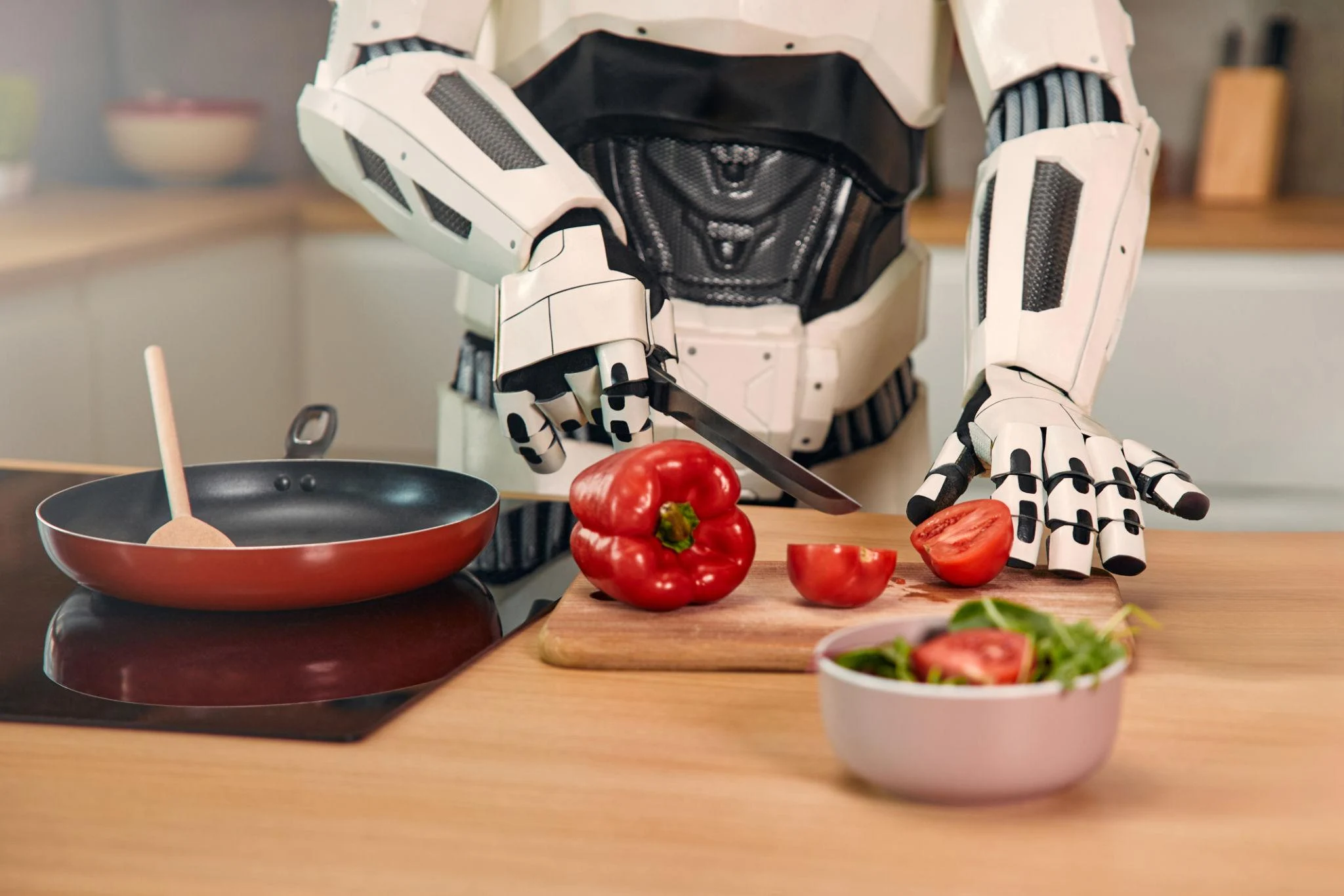
The dream of having a robot assistant at home has existed for decades. From Rosie in The Jetsons to Jarvis in the Marvel universe, futuristic humanoid helpers have always captured our imagination. But after the latest innovations showcased at the Consumer Electronics Show 2026, the question feels more real than ever:
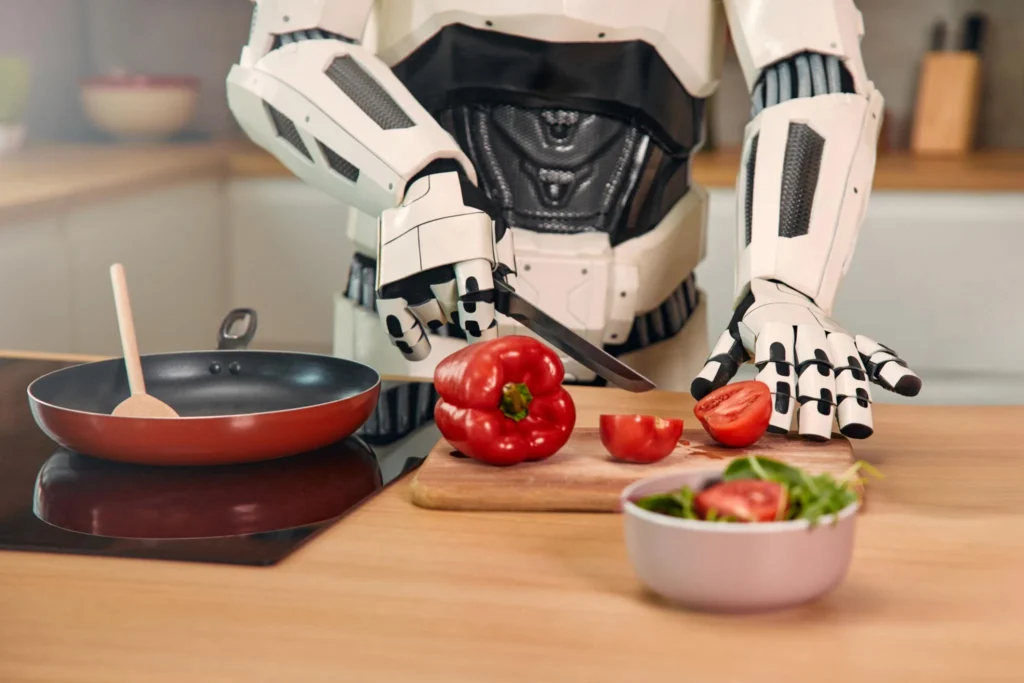
Are humanoid robots finally ready to enter our homes?
At CES 2026 in Las Vegas, robotics companies unveiled a wave of AI-powered home robots promising to fold laundry, organize appliances, clean homes, and even interact like humans. While the technology is advancing rapidly, the reality of living with humanoid robots may still be further away than the hype suggests.
Here’s everything revealed at CES 2026 — and what it means for the future of smart homes.
Why CES 2026 Felt Different for Home Robotics
For years, CES has showcased concept robots that looked futuristic but rarely became real consumer products. This year, however, the atmosphere around home robotics shifted dramatically.
The focus was no longer just on flashy demonstrations. Companies were showing robots designed to solve actual household problems — especially repetitive chores like laundry, cleaning, and appliance management.
The industry appears to be moving toward two major categories of home robots:
1. Full Humanoid Robots
Large AI-powered robots designed to handle multiple human-like tasks around the house.
2. Specialized Smart Robots
Smaller machines built for one or two tasks exceptionally well.
The second category may actually reach homes much sooner.
The Rise of AI-Powered Household Robots
Modern home robotics is improving because of three major technologies:
- Advanced artificial intelligence
- Better motion control systems
- Improved robotic arms and appendages
Unlike factory robots, home robots must adapt to constantly changing environments. Every home is different, which creates a major challenge for developers.
According to robotics companies at CES, future home robots will need to “understand” the world similarly to humans — recognizing doors, furniture, laundry baskets, appliances, and objects dynamically in real time.
Meet Jupiter: The Humanoid Laundry Robot
One of the most talked-about robots at CES was Jupiter, a humanoid robot designed specifically for household chores.
Developed by Zeroth, Jupiter aims to learn tasks by watching humans perform them — much like a child learns through observation.
How Jupiter Learns
The robot relies on:
- Visual observation
- AI training data
- Human demonstrations
- Video learning from platforms like YouTube and TikTok
Yes, some robotics companies are literally training robots using internet videos.
The Biggest Problem: Safety
Despite its futuristic appearance, Jupiter still has major limitations:
- It cannot independently perform chores reliably
- It requires supervision
- It weighs nearly 170 pounds
- It can potentially injure people if it falls
This highlights one of the biggest concerns surrounding humanoid home robots: safety in unpredictable home environments.
LG’s CLOi Robot Could Be Closer to Reality
Another major attraction at CES was LG Electronics and its CLOi home robot concept.
Unlike humanoid robots with legs, CLOi uses wheels for safer movement while still featuring robotic arms capable of interacting with household appliances.
What CLOi Can Do
- Sort laundry
- Control smart appliances
- Coordinate robot vacuums
- Manage home tasks through AI orchestration
The most impressive part wasn’t necessarily the robot itself — it was how seamlessly it communicated with other smart devices.
Instead of pressing buttons manually, the robot could wirelessly control ovens, washing machines, and vacuums.
This suggests the future of smart homes may revolve more around connected ecosystems than fully human-like robots.
SwitchBot’s Budget Home Robot Approach
SwitchBot introduced the OneRow H1, a smaller and more affordable household robot.
Features Include
- Carrying laundry
- Interacting with smart devices
- Performing simple home tasks
- AI training in simulated environments
The company claims it hopes to ship a useful home robot under $10,000, though demonstrations still showed significant limitations.
For example, when given a stuffed toy, the robot mistakenly placed it into the washing machine — highlighting how far robots still are from understanding human context.
Why Human Dexterity Is Still a Huge Challenge
One recurring issue at CES was surprisingly simple:
Most robots still struggle with basic object handling.
Tasks humans find easy — like opening a detergent bottle or gripping irregular objects — remain difficult for robots.
Enter Alex: The Dexterity Robot


6
Developed by WeRobotics, Alex focuses specifically on improving robotic hand dexterity.
The goal is to create robots capable of handling objects with human-like precision safely.
But even these advanced systems are still learning.
The Smarter Future May Not Be Fully Humanoid
One of the most interesting ideas presented at CES 2026 was this:
Maybe we don’t actually need humanoid robots at all.
Instead of building one giant robot that does everything, companies are increasingly focusing on specialized smart machines that work together.
Roborock’s Stair-Climbing Robot Vacuum


7
Roborock showcased the Saros Rover — a robot vacuum equipped with legs capable of climbing stairs.
This concept demonstrates how existing household robots may gradually evolve rather than being replaced by humanoids.
Why This Approach Makes Sense
- Safer
- More affordable
- More practical
- Easier to optimize
- Better for single-task efficiency
Dreamy’s Laundry Robot Might Be the Most Realistic Solution
Perhaps the most practical concept shown at CES came from Dreamy.
Its Laundry Robot Z1 focuses entirely on laundry management rather than trying to mimic humans completely.
What It Can Do
- Detect dirty clothes
- Sort fabrics and colors
- Load washing machines
- Connect wirelessly to appliances
- Transfer clothes to dryers
- Organize laundry baskets
This focused approach feels much closer to real-world adoption.
The Real Future of Smart Homes
The biggest takeaway from CES 2026 is that fully humanoid robots are probably not entering our homes anytime soon.
Instead, the future appears to be:
- Smarter appliances
- Better AI integration
- Interconnected home ecosystems
- Specialized robots working together
Your future smart home may not have a single robot but rather multiple intelligent devices quietly coordinating tasks in the background.
Will Humanoid Robots Replace Household Chores?
Not yet.
Humanoid robots remain expensive, slow, and limited in real-world environments. They still struggle with safety, object handling, and unpredictable household situations.
However, CES 2026 proved something important:
AI-powered home robotics is evolving rapidly.
While humanoid assistants may still be years away, smarter robotic vacuums, laundry systems, and AI-connected appliances are already shaping the next generation of smart homes.
Conclusion
The vision of humanoid robots helping with chores is no longer pure science fiction. CES 2026 showed major progress in AI, robotics, and smart home integration.
But the future probably won’t look like one giant robot walking around your house.
Instead, the next generation of smart homes will likely consist of smaller, highly specialized machines working together seamlessly — managing cleaning, laundry, cooking, and home automation quietly in the background.
And honestly, if a robot can finally do the laundry properly, most people probably won’t care whether it has legs or not.

I craft sharp reels, video reviews,technology updates, latest developments and trend analyses,known for deep research, clear insights, and compelling sforytelling across the latest in film and pop culture.