

- 01
A YouTube Short That Received 138M Views, Is It Even Real? Inside the Viral Storm of Hussain Mansuri.
A YouTube Short That Received 138M Views, Is It Even Real? Inside the Viral Storm of Hussain Mansuri.
The Short That Hijacked Everyone’s Feed
There are viral videos.
And then there are videos that break YouTube’s spine.
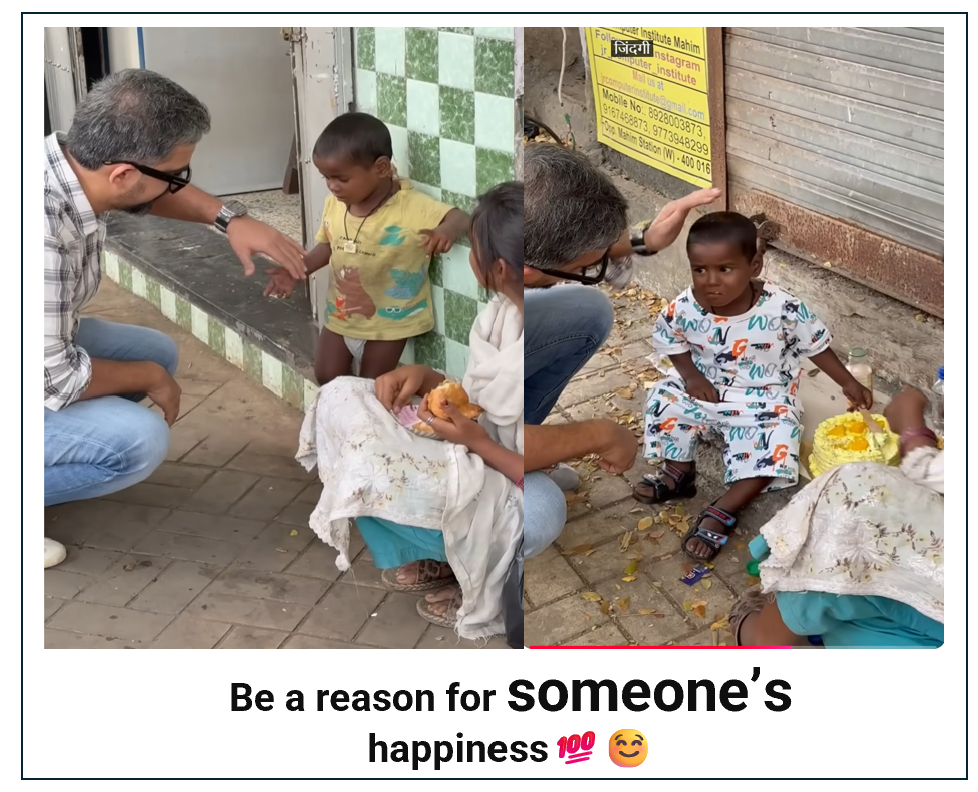
Hussain Mansuri’s Short, the one sitting at a jaw-dropping 138 million views, belongs to the latter. The moment you hit play, you understand why it exploded across continents. The frame opens not with glamour, not with filters, but with a raw, unpolished truth: a young man with nothing to prove, helping strangers with everything he has.
His caption says it all
“Tu bas dua kama… phir tujhse ameer koi nahi.”
(Collect blessings, not money. Then no one is richer than you.)
In an online world obsessed with flexing cars, abs, designer fits, and “what I eat in a day,” Hussain shows up with a camera, a heart, and a mission, and suddenly, people stop scrolling.
Because the internet has seen luxury.
But kindness? That’s still rare enough to trend.
Read also: Who is Keshavi Chhetri
The Anatomy of a 138M-View Video: Why Did This One Blow Up?
The Short doesn’t try to sell a dream. It documents an emotion. Hussain approaches a struggling stranger, not with pity, not with superiority, but with softness, the kind that feels strangely intimate even inside a rough YouTube frame.
In the viral clip, his voice cracks just slightly before he hands the man a food packet. The stranger’s eyes shift between disbelief and gratitude, and the camera shakes the way only a heartfelt moment can. Nothing about the clip is staged. Nothing is designed to go viral. And that’s exactly why it does.
There’s a moment halfway through the Short, blink and you’ll miss it, where the man whispers something like,
“Bhagwan aapko khush rakhe.”
(God bless you.)
That whisper becomes the emotional spine of the video. It’s replayed, remixed, dueted, and commented on thousands of times. At 138 million views, this is not a video anymore. It’s evidence. Evidence that people still crave something real.
Who Is Hussain Mansuri? A Biography Rooted in Struggle, Shot Through With Light
Hussain comes from a middle-class Gujarati family, raised on the kind of values you don’t find in motivational books but in everyday gestures parents don’t even realise they’re teaching. He’s believed to be in his late twenties, and before YouTube, he wasn’t a filmmaker or an activist. He was simply a young man who grew up watching hunger from too close, poverty from too near, and compassion from too early.
He started making Shorts not for fame but to document his everyday help videos, handing out food, helping elderly strangers, paying small medical bills, buying slippers for kids running barefoot. You could call him a content creator, but that feels embarrassingly small for what he actually does.
He doesn’t “film himself helping people.”
He helps people, and the camera just happens to be there.
Today, with 7.14 million subscribers, Hussain Mansuri is one of India’s most-watched humanitarian creators, although he rarely calls himself one.
He simply says,
“Main bas insaaniyat dikhata hu.”
(I just show humanity.)
Is the 138M View Count Even Real? The Internet’s New Obsession
One look at the analytics, one read through the comments, and the answer is obvious, yes. This Short didn’t explode because of bots. It exploded because of belonging. Because it became the kind of video people show their mothers, their children, their partners with a small smile and a soft “dekh yaar.”
For days, timelines were filled with strangers tagging each other:
“Bro cry karwa diya.”
“Humanity isn’t dead.”
“Found the real influencer today.”
A Short travels fast when it touches a nerve.
A Short travels faster when it heals one.
The Comment Section, A National Diary of Feelings
Scrolling through Hussain’s comments feels like reading India’s emotional pulse.
One man writes:
“Main khud gareeb tha. Kisi ne madad nahi ki. Tu mere liye hero hai.”
A teenage girl comments:
“Internet pe sab drama hota hai. Par yeh real laga.”
Someone else simply writes,
“Blessings > Views. Respect.”
The internet is an unpredictable beast, but collectively crying under a wholesome video? That is our favourite sport.
Why Hussain’s Content Works in a Cynical Internet Age
Hussain’s videos work because they’re not manufactured. He does not teach kindness. He practices it. He does not lecture viewers. He leads by example. His Shorts are not cinematic; they’re human. They’re imperfect. They’re trembling. They’re honest.
In an age where creators chase virality, Hussain chases dignity.
In an era where people fake pranks, he films real needs.
In a world where influencers brag, he whispers.
Viewers come for the story.
They stay for the soul.
A Viral Video That Felt Like a Prayer
When a 138-million-view video comes from violence, controversy, or shock value, it’s forgettable. When it comes from kindness, it becomes a timestamp. Hussain’s Short is a reminder of the simplest truth: good deeds don’t need marketing. They find their own audience.
Hussain Mansuri didn’t crack the algorithm.
He cracked hearts.And honestly?
The algorithm simply followed.
Video Credit:
I craft sharp reels, video reviews,technology updates, latest developments and trend analyses,known for deep research, clear insights, and compelling sforytelling across the latest in film and pop culture.